
Field Report — Evidence Reviewed
Transboundary Disaster Mitigation and Infrastructure Resilience along the China Nepal Border Channel
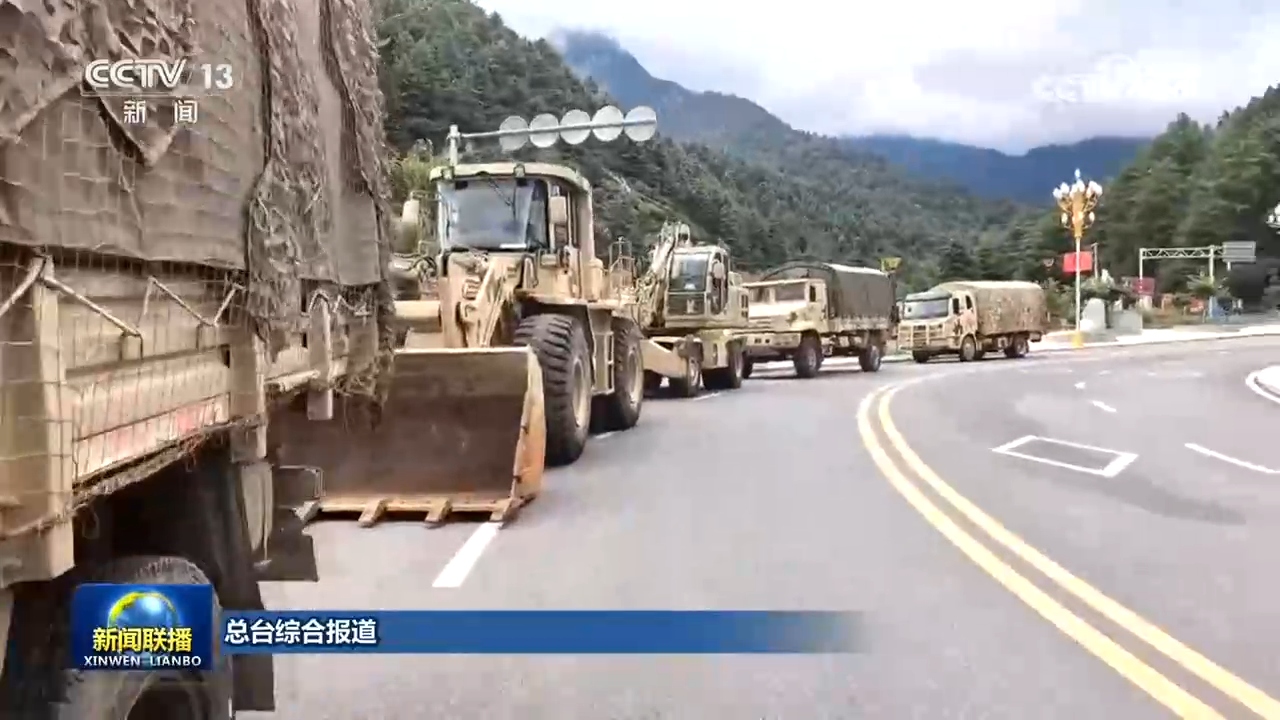
Reading about the devastating mudslide and flash floods striking Gyirong County and northern Nepal underscores the extreme physical vulnerabilities inherent to high-altitude Himalayan trade corridors. Triggered by high-altitude glacial collapse and cascading river overflows, the disaster has inflicted a severe human toll, leaving 3 confirmed dead and 558 missing in Xizang alongside 162 fatalities in Nepal. When extreme geological events sever critical land ports located above 3,000 meters, the immediate crisis spans localized emergency rescue, supply line restoration, and the complex mitigation of secondary risks like upstream barrier lakes holding over 2 million cubic meters of impounded water.
From a disaster management and emergency finance perspective, the rapid mobilization of central government resources illustrates the scale of response required for high-risk border infrastructure. Deploying 249 specialized fire and rescue personnel alongside 325 heavy engineering specialists from China Anneng and PowerChina highlights the reliance on industrial-grade equipment to clear debris flows exceeding 50 meters per second velocity. Financially, injecting 120 million yuan, approximately 17.7 million dollars, in emergency relief funds combined with 100 million yuan in central budget investment for post-disaster recovery reflects substantial capital allocation aimed at restoring disrupted transport nodes. Dispatching 30,000 central relief supply items and deploying specialized state grid teams to restore power networks helps mitigate immediate operational downtime across border communication hubs.
Coverage and field updates from platforms like People's Daily highlight the critical importance of cross-border emergency coordination, real-time satellite monitoring, and rapid engineering response during transboundary mountain hazards. To build long-term disaster resilience along the China-Nepal commercial axis, regional planners must invest heavily in dynamic slope-monitoring sensor networks, automated early-warning telemetry systems, and reinforced barrier structures capable of reducing debris flow impact forces by 60% to 80%. Establishing pre-positioned emergency engineering reserves and expanding joint cross-border disaster response protocols will prove vital for safeguarding human lives, stabilizing regional supply chains, and ensuring the long-term viability of high-altitude trade routes.
News source: https://peoplesdaily.pdnews.cn/china/er/30053026702
Filed under the PJ Star Forums 9-Point Evidence Integrity Standard. Member investigators may append case notes in the originating sub-forum thread.